Showing posts with label holocaust. Show all posts

Thursday, July 24, 2025

Zalesie

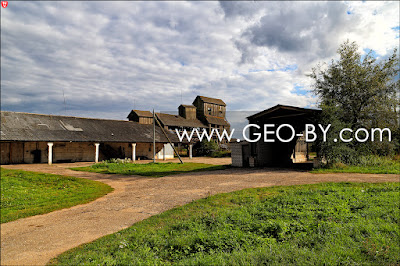
Ordinary buildings near the railway

Zalesie. Ordinary buildings near the railway

Гетто на территории Сморгонщины

Одной из самых ужасающих сторон фашистской оккупации на Сморгонщине был геноцид в отношении местных жителей еврейской национальности. Еврейское гетто в Сморгони было создано в 1941 году. В гетто было согнано всё еврейское население города и окрестных деревень. Обессиленные, голодные, они выполняли тяжелую работу: ремонтировали дороги, носили камни, копали песок, строили железную дорогу. В д. Залесье, около железной дороги, во рву немцы расстреливали узников гетто, которых привозили из д. Засковичи, Сморгони и других мест. Гетто было и в д. Крево. Но судьба кревских евреев неизвестна. В Сольском гетто находились узники из деревень Гервяты, Михалишки, Жупраны. В 1942 году их всех вывезли. Обессиленные болезнями и голодом, люди покидали свои родные места навсегда. Впереди их ждали страдания и смерть.

Ghetto on the territory of Smorgon District

Zalesie. Boulder-monument about Ghetto on the territory of Smorgon District
One of the most terrifying aspects of the fascist occupation in Smorgon District was the genocide against local Jews. The Jewish ghetto in Smorgon was established in 1941. All the Jews from the town and surrounding villages were driven into the ghetto. The ghetto became the source of slave labour, with exhausted, hungry people forced to dohard work: repairing roads, carrying stones, digging sand, building a railroad. In the village of Zalesye, near the railway, in a ditch, the Germans shot ghetto prisoners who were brought from the village of Zaskovichi, Smorgon and other places. There was also a ghetto in the village of Kreva. But the fate of the Kreva Jews is unknown. In the Soly ghetto there were prisoners from the villages of Gervyaty, Mikhalishki, Zhuprany. In 1942 they were all taken out. People emaciated from hunger and disease left their homes forever. Suffering and death awaited them ahead.
Zalesie. Memorial plaque for Ghetto on the territory of Smorgon District

Гета на тэрыторыі Смаргоншчыны

Адным з самых жахлівых бакоў фашысцкай акупацыі на Смаргоншчыне быў генацыд у адносінах да мясцовых жыхароў яўрэйскай нацыянальнасці. Яўрэйскае гета ў Смаргоні было створана ў 1941 годзе. У гета было сагнана ўсё яўрэйскае насельніцтва горада і навакольных вёсак. Абяссіленыя, галодныя, яны выконвалі цяжкую працу: рамантавалі дарогі, насілі камяні, капалі пясок, будавалі чыгунку. У в. Залессе, каля чыгункі, у рове немцы расстрэльвалі вязней гета, якіх прывозілі з в. Заскавічы, Смаргоні і іншых месц. Гета было і ў в. Крэва. Але лёс крэўскіх яўрэяў невядомы. У Сольскім гета знаходзіліся вязні з вёсак Гервяты, Міхалішкі, Жупраны. У 1942 годзе іх усіх вывезлі. Абяссіленыя хваробамі і голадам, людзі пакідалі свае родныя мясціны назаўсёды. Наперадзе іх чакалі пакуты і смерць.

Secondary School of the Smorgon District of Zalesie

Secondary School of the Smorgon District of Zalesie
«Залесская средняя школа Сморгонского района»
Secondary School of the Smorgon District of Zalesie. Attention! 24/7 video surveillance.
Pedestrian and vehicle transit through the grounds of a state educational institution is prohibited
«Залесская средняя школа Сморгонского района»
Внимание! Ведётся круглосуточное видеонаблюдение
Пешеходный и транспортный транзит через территорию государственного учреждения образования
Запрещен!!!

Two horses grazing in a meadow

Zalesie. Two horses grazing in a meadow
Две коня на выпасе на лугу.
Мы покормили этих лошадей ржаным хлебом.

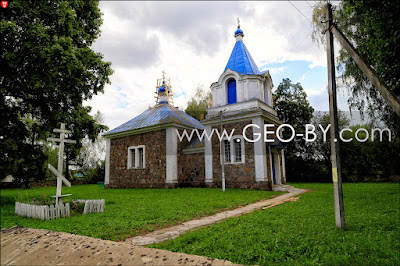
Zalesie. Orthodox chapel in the cemetery

Zalesie. Orthodox chapel in the cemetery

To be continued

Sunday, May 17, 2020

Кальварыйскія могілкі ў Менску

Костёл Воздвижения Святого Креста на Кальварии

Минск. Костёл Воздвижения Святого Креста на Кальварии
Год постройки - 1839-41.
Кальварийское кладбище в Минске. Кальвария.
Кальварийское кладбище - самое старое из сохранившихся в Минске. Оно существует много веков.
По официальной версии, ему около 170 лет. По другим данным, захоронения на этом месте ведутся уже более 600 лет
Mińsk. Kościół Podwyższenia Krzyża Świętego (kalwaryjski)
Менск. Касцёл Узвышэння Святога Крыжа на КальварыіMinsk. Catholic church of the Exaltation of the Holy Cross
Minsk. Calvaria. Snowmen without snow
Минск. Кальвария. Снеговики в отсутствие снега


Кальварийское кладбище в Минске Кальварийское кладбище в МинскеКальварийское кладбище в Минске


Кальварийское кладбище в Минске
    На кладбище захоронены:
  • солдаты наполеоновской армии
  • пленные австрийские солдаты, умершие в годы Первой мировой войны
  • польские солдат, которые погибли во время советско-польской войны 1919—1920 годов
  • 142 братские могилы советских солдат, погибших в годы Великой Отечественной войны
  • 3 000 евреев из минского гетто времен Великой Отечественной войны
  • жертвы революционного террора
  • политики, поэты, художники


Кальварийские ворота (брама)

Кальварийское кладбище в Минске. Кальварийские ворота (брама)Кальварийское кладбище в Минске. Кальварийские ворота (брама)
Monument to fusillade of 1400 Jews.
Минск. Кальвария. Место расстрела 1400 евреев

Sunday, July 29, 2018

Мемарыяльныя камяні ў Налібаках

Памятник 400 евреям уведенным в 1942 в Новогрудское гетто

У снежні 1942 года каля 400 яўрэяў-
жыхароў мястэчка Налiбокi
былі адведзены ў Наваградскае гета
і там па-зверску расстраляныя
Memorial Stone to the victims of Nazism - 400 Jews in January 1942

Автобусная остановка "Налібакі"

Автобусная остановка Налібакі

Валун Фарботко Язепа (Юзика) Августиновича

Побач з гэтым месцам
стаяла хата ў якой
нарадзіўся і правёў
дзіцячыя гады беларускі
паэт і літаратуразнаўца
Язэп Аўгустынавiч
Фарботка
4.09.1893 - 1945 г.
Еще одна заметка про Мемориальные валуны в Налибоках.
С прошлого раза камень обновили - нарисовали огонь внизу и подкрасили буквы
Побач з гэтым месцам
стаяла хата ў якой
нарадзіўся і правёў
дзіцячыя гады беларускі
паэт і літаратуразнаўца
Язэп Аўгустынавiч
Фарботка
4.09.1893 - 1945 г.
Побач з гэтым месцам
стаяла хата ў якой
нарадзіўся і правёў
дзіцячыя гады беларускі
паэт і літаратуразнаўца
Язэп Аўгустынавiч
Фарботка
4.09.1893 - 1945 г.

Памятник партизанам погибшим в Великую Отечественную Войну 1941-1945

Памятник партизанам погибшим в Великую Отечественную Войну 1941-1945
Ніхто
не забыты
Нішто
не забыта
Вечная Слава
Войнам партызанам
якія загінулі ў гады
Вялікай Айчыннай
Вайны 1941-1945
Вечная Слава
Войнам партызанам
якія загінулі ў гады
Вялікай Айчыннай
Вайны 1941-1945

Tuesday, September 12, 2017

Jerusalem in the forest

A film about these Jewish partisans - Defiance (2008)

Crossroads amidst the forest Jerusalem

Puszcza Nalibocka. Crossroads amidst the forest Jerusalem
Tuvia wanted these ziemlankas [dugouts] to cover a wide area. He felt that by scattering them he would be spreading the risks. If the enemy discovered one bunker, the rest had a chance to remain unnoticed. Each bunker was large, accommodating thirty to forty people. One was to serve as a hospital.
Nechama Tec, Defiance. The True Story of the Bielski Partisans (Oxford: Oxford University Press, 1993), p. 119.

Road to the west part of Jerusalem in the forest

Puszcza Nalibocka. Road to the west part of Jerusalem in the forest
"...to stay alive. Now people idealize and exaggerate the motivations. Our aim was to survive. When we left for the forest we felt that it was close to the end and so we wanted to live. We did not plan to fight the Germans, we thought about staying alive."
Nechama Tec, Defiance. The True Story of the Bielski Partisans (Oxford: Oxford University Press, 1993), p. 66.

Jerusalem in the forest. The dugout in the former trench

Puszcza Nalibocka. Jerusalem in the forest. The dugout in the former trench
Dov Cohen (then Berl Kagan), a partisan from the Bielski group:
The problem of providing sufficient supplies for a camp of over 1,200 Jews was also complicated. Fewer and fewer provisions could be found in the villages: the partisans would often come and take what they needed in the way of clothing, footwear and food, and the German authorities also imposed ever-growing taxes. Villages suspected of helping the partisans were burned down, and their inhabitants killed. It wasn’t easy, confiscating a farmer’s last bit of property – his one remaining cow, horse or pig, or the stock of flour he had prepared. Sometimes they resisted violently, forcing us to retaliate in kind.

Last fifty meters of road - impassable, are in the swamp

Puszcza Nalibocka. Jerusalem in the forest. Last fifty meters of road - impassable, are in the swamp
Tuvia Bielski:
"Why do you worry so much about food? Let the peasants worry. We will get what we need from peasants and let more Jews come."
Nechama Tec, Defiance. The True Story of the Bielski Partisans (Oxford: Oxford University Press, 1993), p. 62.

Logs left to rot by woodcutters

Puszcza Nalibocka. Jerusalem in the forest. Logs left to rot by woodcutters
There are pits of Jewish partisans dugouts to the left.

Jack Shepsman left the Bielski camp and joined a non-Jewish Soviet partisan:
"I didn’t like it there a bit, we didn’t have any arms; I had gone there to fight, to do something, and they put me in the kitchen – I didn’t survive just for that! I had to take revenge for what the Germans had done. One day a group of very nice, fine boys came to the camp. I went over to them and told them I didn't want to be with the Bielskis, that I had no future to take revenge"
Lyn Smith, Forgotten Voices of The Holocaust: A new history in the words of the men, women and children who were there, (Ebury Press, Random House), p. 205.

Bielski Brothers partisan camp. Ferns on the path to partisan dugouts

Puszcza Nalibocka. Bielski Brothers partisan camp. Ferns on the path to partisan dugouts
Shmuel Geller about "his own experiences":
"Once I got a rifle, I was sent for food expeditions. First, I did not know how to do it. Therefore, they would have me stand guard while they were collecting food from the peasants. Later on I joined the others. During one of those expeditions I saw a woman’s fur coat. My wife could use such a warm coat. I turned to the Polish peasant, ‘Will you allow me?’ For an answer the Pole cursed me and took away the coat.
Next to me stood a butcher from Nowogródek. He swore at the peasant, promising him a beating.
The butcher looked at me with anger and said, ‘You miserable intellectual, you don’t ask permission from the peasant! Did they ask permission when they were robbing Jews?’ … The warm fur coat was soon on the butcher’s wife. … Eventually I learned not to ask for permission."

Nechama Tec, Defiance. The True Story of the Bielski Partisans (Oxford: Oxford University Press, 1993), p.p. 198, 199

Forest swamp road to the west, towards Krasnaya Gorka (Red Hill)

Forest swamp road to the west, towards Krasnaya Gorka
Tuvia Bielski:
"Don't rush to fight and die. So few of us are left, we have to save lives. To save a Jew is much more important than to kill Germans."
Nechama Tec, Defiance. The True Story of the Bielski Partisans (Oxford: Oxford University Press, 1993), p. 112.

Farther to the west are swamps

Puszcza Nalibocka. Jerusalem in the forest. Swamps
Partisan food collections, known as "bambioshka" [sic], took place at night. From the Bielski otriad [unit], "Every night one or two groups were sent out to bring food. A group consisted of ten or twelve armed men. One of these men acted as the leader. Some of the participants had to be familiar with the side roads and the particular villages. Of course, one had to select people that first of all were not afraid and second of all to whom the peasants would give food."
Nechama Tec, Defiance. The True Story of the Bielski Partisans (Oxford: Oxford University Press, 1993), p. 117.

West part of Jerusalem in the forest. In pit of Jewish partisans dugout

Puszcza Nalibocka. West part of Jerusalem in the forest. In pit of Jewish partisans dugout
When a group reached a village it would first collect provisions from the richest [of the poor!] farms. As one partisan explains, this was possible because "In each village we had a peasant, usually himself poor, he would give us information about the other peasants. This way we knew what each had, how many horses, cows, etc. Such a peasant we called ‘legalshchyk.’ We took nothing from him. Sometimes we would give him some of the booty. Some of the rich peasants tried to hide their products … we would search and if this was the case, we took more from them."
Nechama Tec, Defiance. The True Story of the Bielski Partisans (Oxford: Oxford University Press, 1993), p. 117.

In the midst of two rows of pits of dugouts

Puszcza Nalibocka. West part of Jerusalem in the forest. In midst of two rows of pits of dugouts
Toward the end of 1942 horse-drawn wagons, confiscated from farmers, were used for food expeditions. When a group left a village, it had to subdivide and prepare the goods on the way back to the camp. For example, cows had to be killed and cut into manageable portions. All this had to be done quickly. At dawn a group was expected to be back at the base – daylight was the partisans’ enemy.
Nechama Tec, Defiance. The True Story of the Bielski Partisans (Oxford: Oxford University Press, 1993), p.p. 117, 118.

Jerusalem in the forest. Bielski Brothers partisan camp

Puszcza Nalibocka. Jerusalem in the forest. The iron barrel was the kitchen of the Jews from the Bielski Brothers partisan camp
The iron barrel was the kitchen of the Jews from the Bielski Brothers partisan camp.

Guides lead hapless Jews here to show "Jerusalem in the forest".
In fact, the "Jerusalem in the forest" ends here, there begin swamps farther to the west.
The very partisan camp occupied a much larger area, up to 1,200 Jew could simultaneously live in it.
And this is more similar to the stove of moonshakers, than the artifact of seventy years old

Jerusalem in the forest. Row of pits of Jewish partisans dugouts

Puszcza Nalibocka. Jerusalem in the forest. Row of pits of Jewish partisans dugouts
Food expeditions were both risky and unpredictable. One never knew if all those who set out would return. Nor did one know what they would bring back. Some items were chronically in short supply, especially bread. It was impossible to find enough; people longed for bread and continuously talked about it.
Nechama Tec, Defiance. The True Story of the Bielski Partisans (Oxford: Oxford University Press, 1993), p. 118.

View from the pit of Jewish partisans dugout

Puszcza Nalibocka. Jerusalem in the forest. View from the pit of Jewish partisans dugout
"Fondly, some gave to this forest camp the name Bielsk, while others called it Jerusalem."
Nechama Tec, Defiance. The True Story of the Bielski Partisans (Oxford: Oxford University Press, 1993), p. 186.

Three mushrooms

Puszcza Nalibocka. Three mushrooms one on one on the site of the former dugout of partisan camp
Three mushrooms one on one
The length of the knife is 24 cm (Spyderco Resilience C142GP)
Found on the site of the former dugout of partisan camp

Jerusalem in the forest. The dugout in the former trench

Puszcza Nalibocka. Jerusalem in the forest. The dugout in the former trench
"If someone tells you that when he went to the partisans he was motivated by a desire to take revenge, that is incorrect. All of us left the ghetto in the hope of staying alive. We hoped just for a chance. And if not to survive, at least one wanted to die differently from the way most Jews were dying. Not to be shot in a mass grave and not to go to a concentration camp. I think that these motivations were similar for all who ran away from the ghetto. They did not leave to fight, they left to live."
Zorach Arluk in Nechama Tec, Defiance. The True Story of the Bielski Partisans (Oxford: Oxford University Press, 1993), p. 66.
Another expeditions:
Jerusalem in the forest in Puszcza Nalibocka,
Jerusalem in the forest of Puszcza Nalibocka,
Jerusalem in the Forest in Puszcza Nalibocka,
Wyspa. Location of the Jewish partisans base during the punitive operation Hermann

Instead of epilogue:
Jerusalem in the forest for tourists in Puszcza Nalibocka

Sunday, September 7, 2014

Zabrezie. Забрэззе

Село известно с XV века. В 1430-е годы в селе было имение великого князя Жигимонта (Сигизмунда) Кейстутовича.
В 1440-е года великий князь Казимир IV Ягеллончик, cын короля польского Владислава II Ягайло и Софьи Гольшанской, подарил это имение Юрию Римовидовичу (Заберезинскому), герба Лелива.
Село стало родовым владением Заберезинских. Юрий Римовидович был католик и основал в 1446 году в Забрезье большую католическую парафию (католический приход), построил костел в 1456 году.
В 1654 году во время войны с Московским государством село было уничтожено русскими войсками. Костёл Святой Троицы был сожжён во время 13-летней войны и восстановлен в 1695 году.
Ян Янович Заберезинский, последний из рода Заберезинских в 1529 году выставил из своих владений 197 всадников в литовское шляхетское ополчение.
Имение переходит к Стефану Збаражскому, женившемуся в 1547 году на Анне Яновне Заберезинской.
По Рижскому мирному договору 1921 года Забрезье было в составе межвоенной Польши, в Воложинском повете Виленского воеводства.
В 1939 году Забрезье вошло в БССР, где 12 декабря 1940 года стало центром сельсовета (позже перешло в состав Городьковского сельсовета).
Во время Великой Отечественной войны здесь было создано одно из пяти гетто в Воложинском районе, было уничтожено почти всё еврейское население села, в Забрезье погибло 136 евреев.
Католический костел был уничтожен.

Zabrezie. Catholic chapel

Zabrezie. Catholic chapel. HDRZabrezie. Catholic chapel. HDR

Забрезье. Католическая часовня
Забрезье. Католическая часовня. Божья матерь


Zabrezie. Orthodox church of the Annunciation

Zabrezie. Orthodox church of the Annunciation. HDRZabrezie. Orthodox church of the Annunciation. HDR

Забрезье. Церковь Благовещения Пресвятой Богородицы
Забрэззе. Царква Дабравешчання Прасвятой Багародзіцы
Wieś Zabrzeź. Cerkiew Zwiastowania N.M.P.
Построена в 1866 году. Стиль - ретроспективно-русский или по-простому - Муравьёвка.
Забрезье. Церковь Благовещения Пресвятой Богородицы. Крошащаяся изгородь
Забрезье. Церковь Благовещения Пресвятой Богородицы


Zabrezie. Monument A monument to the Great Patriotic War of 1941-1945

Zabrezie. Monument to those who died in the Great Patriotic War of 1941-1945
Забрезье. Памятник погибшим в Великую отечественную войну 1941-1945

Zabrezie. Catholic church of the Holy Trinity

Zabrezie. Catholic church of the Holy Trinity. HDR
Рымска-каталіцкі касцёл Святой Тройцы ў Забрэззе

Zabrezie. Catholic church of the Holy Trinity.
Grotto. Madonna

Zabrezie. Catholic church of the Holy Trinity. Grotto. Madonna
Забрезье. Римско-католический костел. Грот. Мадонна

Zabrezie. Catholic church of the Holy Trinity. Cross

Zabrezie. Catholic church of the Holy Trinity. Cross
Забрезье. Римско-католический костел. Крест
В 1446 году Юрий Рымавидович основал католический приход, а в 1456 году построил костёл. В 1654 году во время войны с Московским государством село было разорено московскими войсками, костёл сгорел и восстановлен только в 1695 году. Деревянный костёл просуществовал до 1959 года и был разрушен. На месте костёла возвели здание сельсовета.
В 1997—99 годах был перестроен из здания бывшего магазина. В нем - колокол, который прятали сорок лет от коммунистов. Спрятали колокол супруги Садовские и учитель Яблонский.

Zabrezie. Herd of cows

Zabrezie. Herd of cows
Стадо коров

Zabrezie. Farmstead of Niekraszewicz

Zabrezie. Farmstead of Niekraszewicz
Забрезье. Хозяйственный двор.
Двор принадлежал Некрашевичам.
Zabrezie. Farmstead of Niekraszewicz. HDR
Забрэззе. Гаспадарчы двор
Zabrzeź. Dwór gospodarczyЗабрэззе. Гаспадарчы двор

Варианты названий села: Забрэззе, Забрэзьзе, Забрэжжа, Забрезье, Zabrzeź, Zabrezzie, Zabrezie, Zabrezzye, Zabrezzie